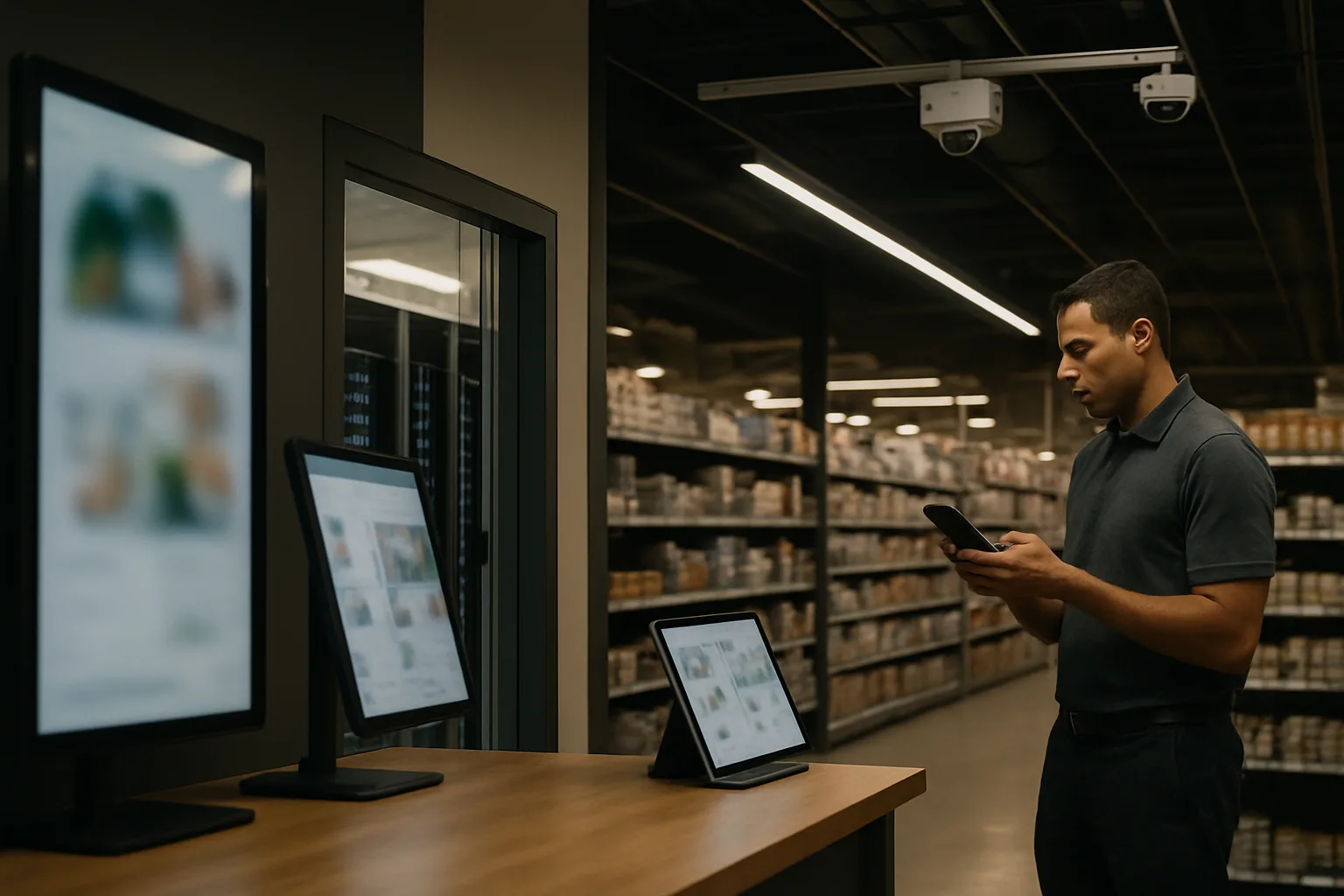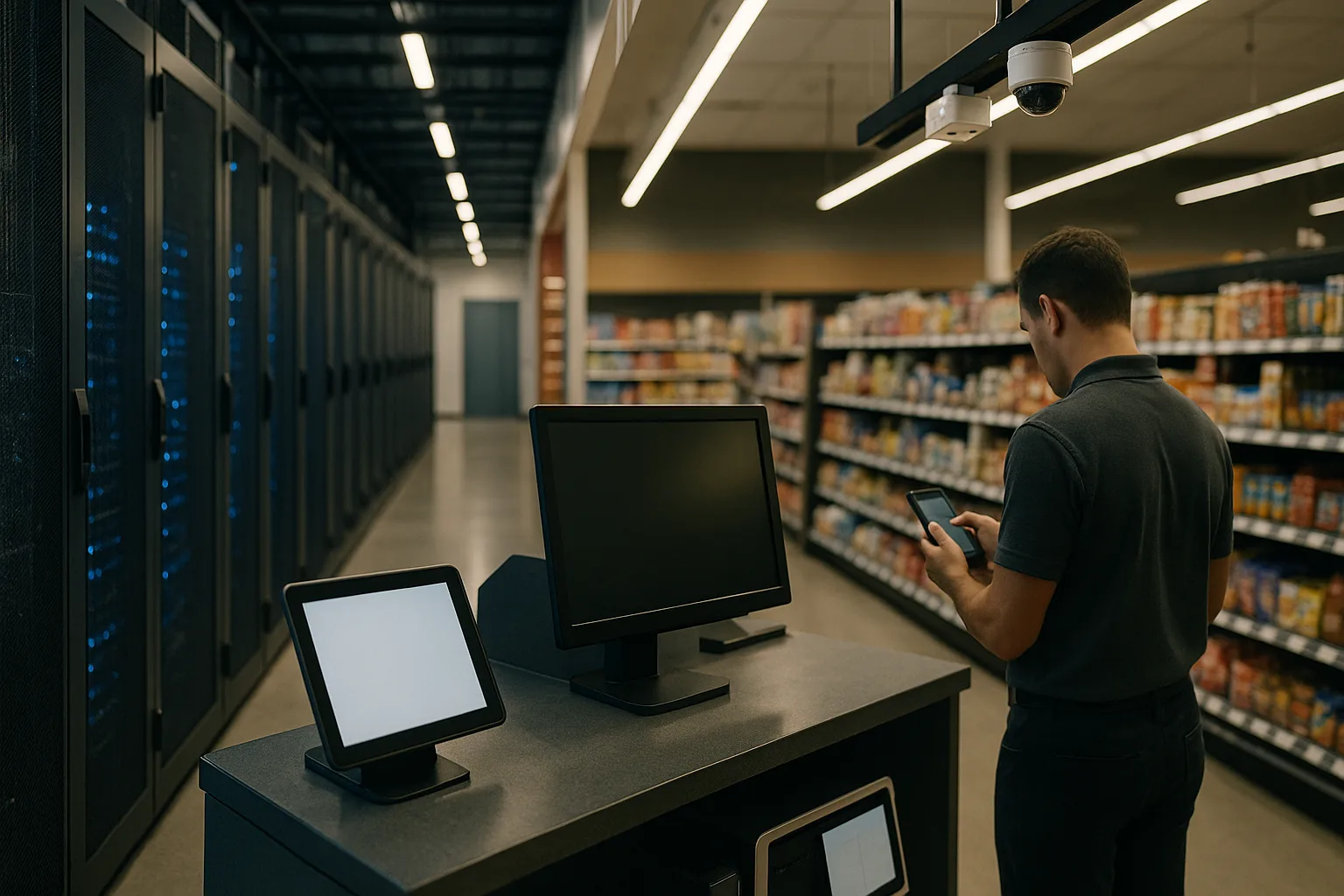
Computer vision at the shelf was the loss-prevention story of 2025. Every major grocer, mass merchant, and drug chain we cover ran some flavor of pilot - overhead cameras at self-checkout, shelf-monitoring cameras for sweethearting and ticket-switching, exit cameras correlating cart contents against transaction logs. The pitches all converged on a similar number: 20-40% shrink reduction at the lanes and zones under coverage.
The Q1 2026 results coming back from those pilots are more interesting than that, and considerably more uneven. We talked to loss-prevention and store-ops leaders at six chains running active pilots, and the picture that emerges is one most vendors won't show on a slide: the technology works, the savings are real, but the operating model around it is consuming most of the gains.
What's actually being detected
The clearest wins are at self-checkout. Operators we spoke to consistently described double-digit reductions in self-checkout shrink under camera coverage, driven by three detection categories that the models are now reliable on:
- Pass-throughs (items moved across the scanner without being read)
- Ticket-switching (lower-priced barcode applied to a higher-priced item)
- Produce code substitution (organic avocados rung up as conventional, premium grapes rung up as bananas)
Those are mature CV problems by 2026 standards, and the false-positive rates are low enough that store teams have stopped treating the alerts as noise.
Where the picture gets messier is shelf-level shrink - sweethearting at the deli, in-aisle concealment, organized retail crime walk-outs. The models flag events, but a meaningful share of those flags are ambiguous on review, and the chains running these pilots are still figuring out the playbook for what to do with an alert when there's no point-of-sale event to anchor it to.
The labor shift nobody put in the business case
Every operator we interviewed independently raised the same issue: the pilots created a new workload that wasn't in the original ROI model.
Each flagged event needs to be reviewed by someone. At self-checkout, a host or attendant has to make a real-time judgment call - intervene, ignore, or escalate. At shelf and exit, an asset protection associate has to review video, often hours later, and decide whether to log it, build a case, or close it.
The numbers operators shared with us land in a wide range, but the direction is consistent. One regional grocer reported that camera coverage at 40 stores generated roughly 3-6 hours per store per week of new review and intervention labor. A mass merchant running a more aggressive pilot reported closer to 10-12 hours per store per week of asset-protection time absorbed by alert triage.
That labor isn't free, and at hourly rates plus the cost of attendant attention pulled away from other tasks, several operators told us the net labor cost is currently running 40-70% of the gross shrink savings. The pilots are still net positive, but barely - and the chains that built the business case assuming the cameras would reduce labor are running uncomfortable variance reports.
The vendor stack problem
A second issue showing up consistently is integration cost. The CV vendors are mostly best-of-breed point solutions - one company for self-checkout, another for shelf, a third for exit - and the alerts land in separate dashboards that asset protection teams have to monitor in parallel.
The retailers further along in their pilots are now building or buying a unifying layer on top, which is adding 6-12 months and meaningful integration spend to the roadmap. Several operators told us they'd push pilot expansion until they have a single pane of glass, because their store teams can't reasonably monitor four vendor consoles.
Where the cost-benefit clearly works
Despite the messy headline, there are clear pockets where the math is uncontroversially positive.
- High-shrink stores with existing asset protection headcount: the marginal labor cost is absorbed by people already on the floor for this purpose.
- Self-checkout-heavy formats where the alert-to-intervention loop is short and the host is already monitoring lanes.
- Categories with concentrated theft patterns - health and beauty, electronics, premium spirits - where the alert signal-to-noise is high and the unit margins justify the intervention.
The retailers running pilots in those configurations are reporting payback periods inside 18 months. The retailers who deployed broadly across average-shrink store fleets are reporting payback periods that have quietly slid from 24 months to 36+.
What Q2 looks like
The honest read from the operators we spoke to: this is real technology that addresses a real problem, but it's not the labor-saving silver bullet some vendors pitched in 2024. Most of the chains we talked to are narrowing rather than expanding their 2026 footprint - concentrating cameras in the highest-shrink stores and categories, and pausing broader rollouts until they have an answer on the alert-triage labor model.
One head of asset protection summarized it this way: "We're going to save the money. We're just going to spend half of it watching the screens we put up to save it."
That's still a business case. It's just not the one that got signed off on.