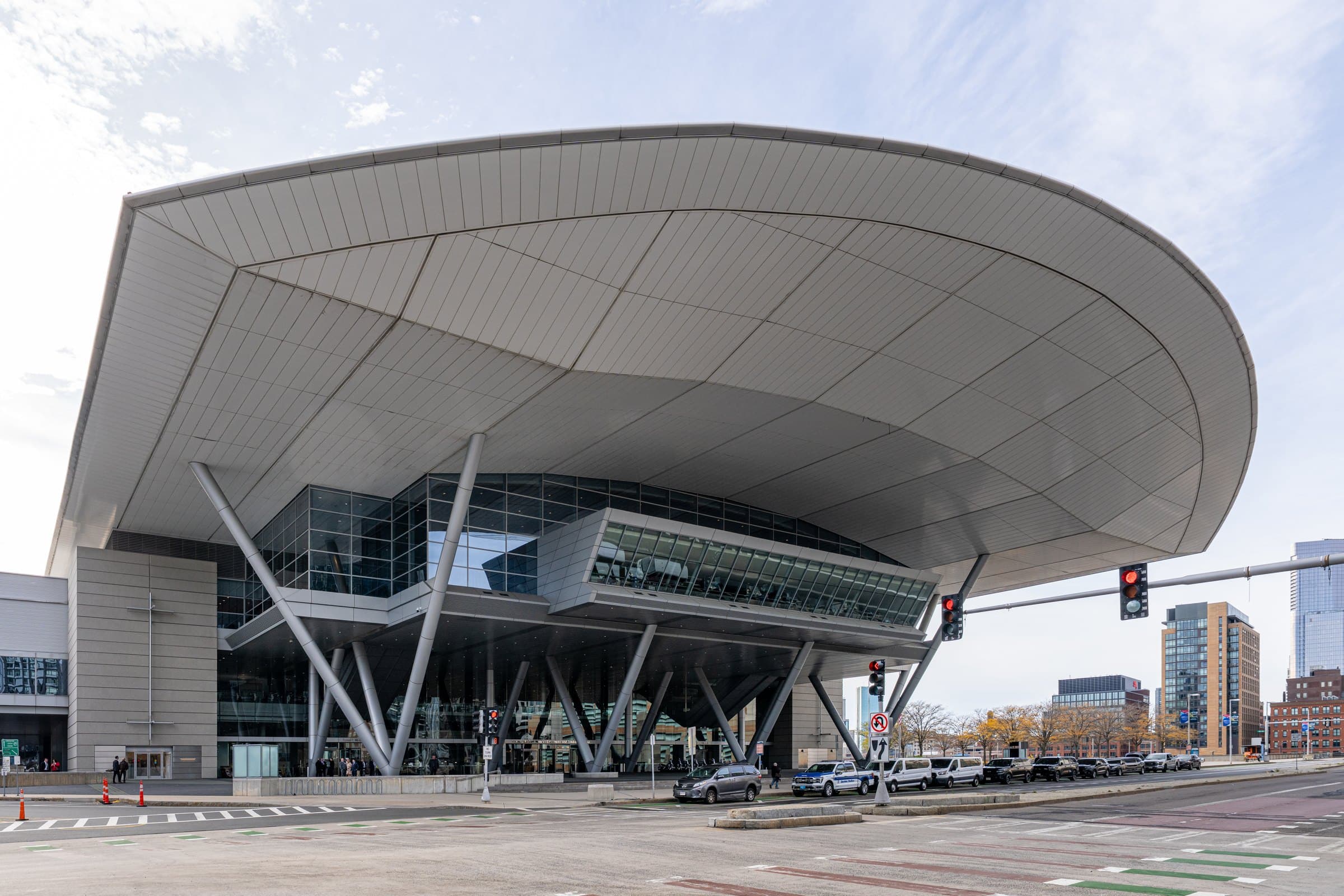
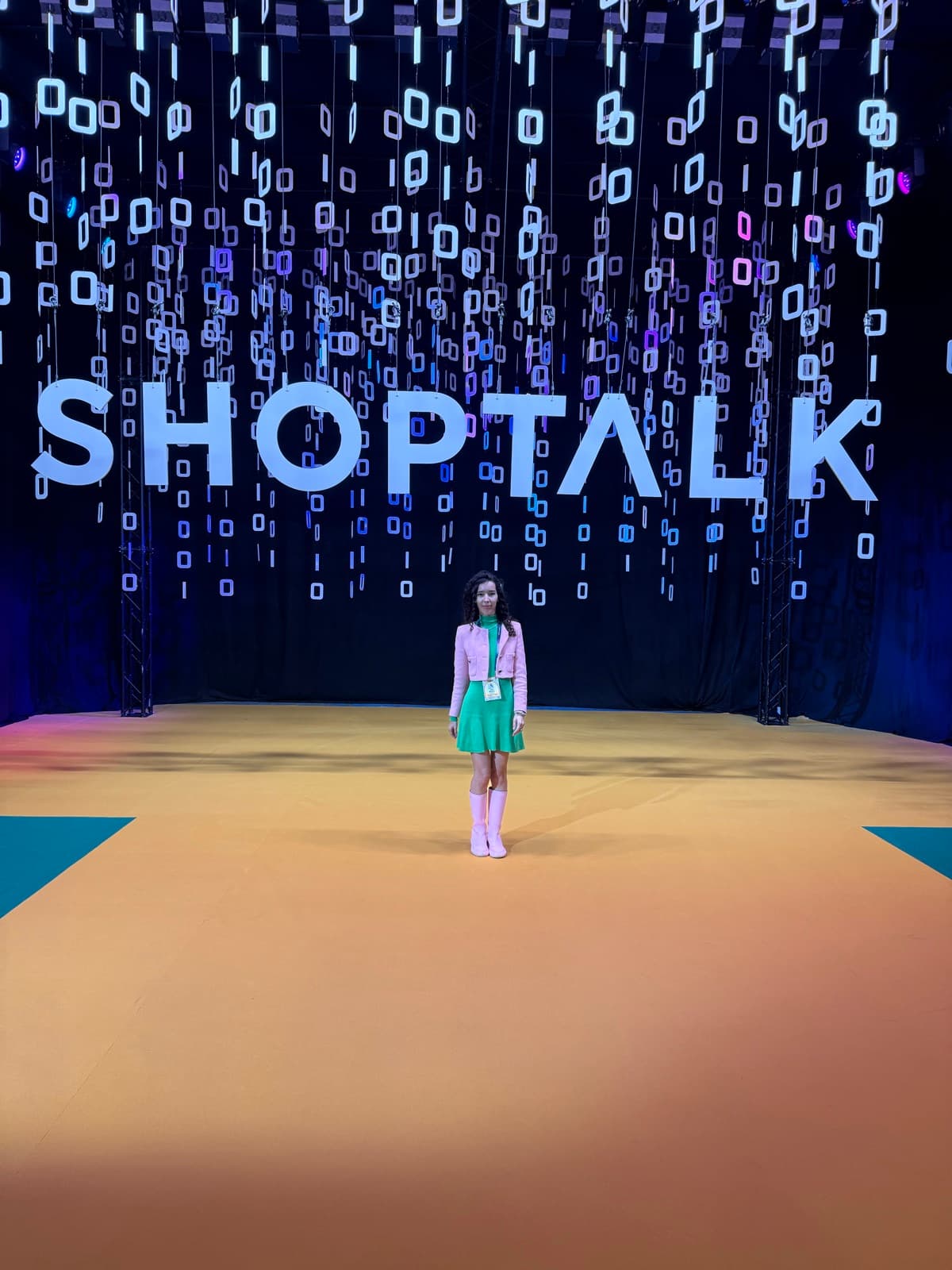
Shoptalk's Las Vegas edition this March drew a bigger crowd than last year, with the usual mix of platform vendors, agency representatives, and the merchants the whole apparatus is theoretically built to serve. The keynote schedule had its share of AI panels - predictable, given the year - but what was notable was how little of the hallway conversation actually centered there. Among the operators we spoke to between sessions and over the inevitable cocktail receptions, three other topics dominated.
Store labor: the math has changed and nobody quite knows what to do
The first conversation that kept coming back was store labor. Specifically, the realization across mid-market and specialty operators that the labor cost structure they were planning against in 2022 no longer holds, and the operating models built on top of it need to change.
A head of stores at a regional specialty chain framed it this way: "Our four-wall labor as a percent of sales has moved enough that the store formats we opened in 2019 don't pencil anymore. We're not closing them - they're profitable - but we wouldn't open them today."
The implications surfacing in hallway conversations were specific:
- More aggressive cross-training, so a smaller floor team can cover more functions. Several operators are running pilots where store associates handle BOPIS picking, returns processing, and floor coverage as a single role rather than dedicated headcount per function.
- Renewed interest in self-checkout - even among specialty retailers who dismissed it two years ago. The driver isn't shrink (more on that in a moment) but labor reallocation.
- Slower expansion plans for net-new stores in tier-one markets, faster expansion in lower-cost geographies where the labor math is more forgiving.
Worth noting: the operators who don't feel the labor pressure as acutely tend to be in markets with state minimum wages that have already adjusted, or in chains where wages have been benchmarked above-market for long enough that the recent moves don't represent a step change.
Retail media measurement: the trust deficit is growing
The second persistent hallway topic was retail media - specifically, measurement and the question of whether the numbers retailers are reporting to brand partners are credible.
This was always going to be a year-two-or-three issue for retail media networks. The 2022-2023 narrative was about growth and standing up the inventory. 2024 is about whether the attribution holds up to scrutiny. And the scrutiny is increasing.
A CPG-side ad buyer at one of the panels - speaking off-stage afterward - put it bluntly: "We're spending nine-figures across these networks. Half of them can't tell us what we'd have sold without the ad. We're going to start cutting."
The pressure points raised repeatedly in hallway conversations:
- Closed-loop attribution that doesn't account for organic baseline. Brands are increasingly demanding incrementality testing rather than last-click sales.
- Inconsistent definitions across networks. ROAS calculated differently at three different retailers makes portfolio decisions impossible.
- Off-site media (sponsored display on third-party properties, social, CTV) bundled into ROAS without clear methodology.
The IAB's retail media measurement standards work, ongoing through 2024, came up in several conversations. The sense was that whatever lands there will be a floor, not a ceiling - and that the retailers ahead of the standards will benefit.
Returns: still the elephant in the warehouse
The third topic, and the one with the most quiet desperation behind it, was returns. Specifically, what to do about the fact that return rates in apparel and home - already high - have not come down despite the cost-of-living pressure that was supposed to dampen bracketing behavior.
Several operators referenced their 2024 returns budgets being either tracking ahead of last year or roughly flat, against a planning expectation that they would come down. The mechanisms being tested in 2024, based on hallway conversations:
Paid returns are spreading. A year ago this was an experiment at a few brands. In March, multiple operators told us they had either implemented or were about to implement some version - usually a fee for mail-back returns with free in-store returns as the carve-out. The early read is that conversion impact is smaller than feared.
Try-before-you-buy and fit technology are getting another look, though with more skepticism than two years ago. The retailers who tried virtual fit tools in 2022 and 2023 and didn't see returns move are now asking harder questions about which categories the technology actually works for.
And the quieter conversation: which SKUs simply shouldn't be sold online. Several merchants we spoke to are running analyses on returns-adjusted contribution margin by SKU and finding that some products lose money on every online order. The strategic question is whether to delist or to restrict to in-store only.
The takeaway from Shoptalk this year, more than any single keynote: the operators in the hallway are working on problems that don't fit cleanly on a vendor's slide.